A Guide to Muldrow Roofer for Quality Workmanship
A Guide to Muldrow Roofer for Quality Workmanship
Blog Article
Trustworthy Roofing Professional Offerings for Sturdy and Reliable Roofing Options
A trusted roofing contractor plays an vital part in ensuring the durability and reliability of a home's roof. Homeowners must consider various factors when selecting a roof specialist. From learning about roof types to evaluating contractors' qualifications, each aspect leads to an effective job. Yet, many homeowners stay unsure about where to begin. Identifying the right approach can greatly affect both appearance and financial security. What steps should one take to navigate this intricate procedure?
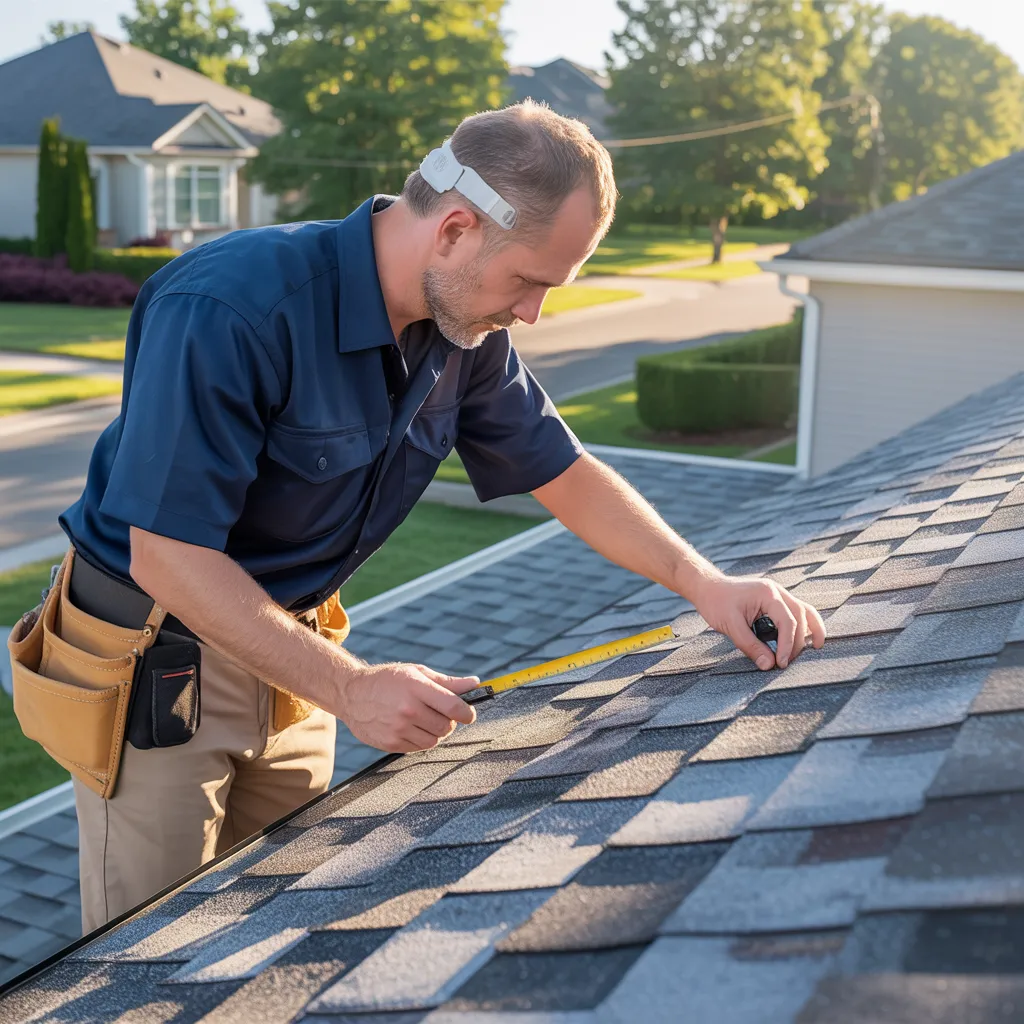
Things to Examine When Finding a Dependable Roofer
When selecting a trusted roofer, what key qualities should one prioritize? First, expertise plays a significant role; an established roofer with extensive background demonstrates dependability and skill. It's essential to verify their licensing and insurance, as this safeguards homeowners from possible liabilities. Moreover, a reputable roofer should provide guarantees on both materials and workmanship, indicating confidence in their services.
Another essential consideration is communication. A reputable roofing specialist should be responsive and transparent, delivering thorough estimates and timelines. Feedback and references from previous patrons can supply insights into their reliability and quality of work. In addition, grasping building codes and rules is necessary, as following ensures security and legal compliance. Finally, a commitment to using superior goods reflects a roofer's dedication to enduring output. By focusing on these crucial traits, homeowners can reach informed choices when picking a roofing contractor.
What Roofing Options Are Ideal for You?
Selecting the appropriate roof choice can be a challenging undertaking, as different types and designs cater to diverse requirements and tastes. Homeowners must consider factors such as weather conditions, financial constraints, and aesthetic appeal when selecting a roof. Asphalt shingles are popular for their affordability and ease of installation, making them suitable for many residential properties. Metal roof systems, known for its durability and energy efficiency, attracts those looking for longevity.
To achieve a classic aesthetic, wood shakes or tiles offer natural beauty but may need more maintenance. Slate and clay tiles provide exceptional longevity and are ideal for upscale homes, although they can be more expensive.
Ultimately, the most suitable roofing option copyrights on unique factors, including local building codes and personal preferences. Working with a dependable roofer can support homeowners evaluate these decisions, making certain they pick a roofing solution that fulfills their particular requirements while boosting the overall value of their property.
The Worth of Premium Roofing Materials
Picking the right roofing option is only the beginning; the quality of roof materials plays a significant role in the overall operation and lifespan of a roof. High-quality materials, such as asphalt shingles, metal, or slate, provide enhanced durability and resistance to environmental factors. They can withstand extreme weather conditions, reducing the occurrence of repairs and replacements.
Investing in excellent materials can produce enhanced energy efficiency, as they often feature improved insulation properties. This not only promotes comfort within the home but can also minimize energy bills over time. Additionally, high-end materials typically come with extended-term warranties, offering homeowners confidence regarding their investment. Selecting quality roofing materials ultimately ensures that a roof remains functional and aesthetically pleasing for years, maintaining the property's value. Therefore, understanding the significance of material selection is vital for anyone considering a roofing project.
Evaluating Your Roofing Contractor's Credentials
A detailed review of a roofing contractor's qualifications is essential for achieving a successful roofing project. Homeowners should begin by verifying licenses and insurance to defend themselves from financial risk in case of accidents. Examining for industry certifications can also reveal a contractor's devotion to quality and ongoing education in roofing techniques and materials.
In addition, reviewing prior projects and customer testimonials provides insight into the contractor's quality of work and trustworthiness. It is advisable to obtain references and to follow up with previous clients about their impressions. Moreover, understanding the contractor's warranty provisions can expose their confidence in their work and the materials applied.
At last, considering the contractor's expertise in the particular kind of roofing required can further guide homeowners in reaching an informed decision. By carefully assessing these qualifications, homeowners can select a trustworthy contractor and ensure a long-lasting roofing solution.
How to Plan financially for Your Roof Replacement
Budgeting for a roofing project demands thorough planning and evaluation of various factors that influence overall costs. Homeowners should start by assessing the type of roofing materials desired, as prices can vary greatly between asphalt shingles, metal roofs, and tiles. Labor costs also play a key role; obtaining multiple quotes from licensed contractors can help guarantee affordable pricing.
Also, it is important to factor in potential unexpected expenses, such as structural maintenance or the permit obligations. A contingency fund of approximately 10-20% of the total budget is advisable to cover these unanticipated expenses. Dwelling owners should also contemplate the timing of their project, as seasonal variations can shape labor capacity and material costs. By thoroughly assessing these variables, parties can construct a practical financial plan that facilitates both necessary expenses and any additional features they may wish to include in their roofing project.
Regular check-ups Are crucial
Regular reviews play a vital role in lengthening the lifespan of a new roof. Conducting these assessments at least twice a year helps identify potential issues before they escalate. Experienced professionals can assess the roof's condition, checking for signs of wear, tear, or damage caused by environmental factors. Additionally, monitoring gutters and downspouts guarantees proper drainage, which is essential for preventing water accumulation. Homeowners should also consider seasonal inspections, especially after severe weather events. By prioritizing regular inspections, property owners can maintain their roofs effectively, making sure they remain durable and reliable over time. This proactive approach not only enhances the roof's longevity but also protects the overall integrity of the home.
Expedient Restoration Prevent Impairment
Following routine inspections, it is essential to handle necessary repairs quickly to maintain a new roof's integrity. Roofs are affected by wear from different environmental factors, analysis and even small issues can develop into serious damage if neglected. Prompt repairs can prevent leaks, mold growth, and structural deterioration, ultimately extending the roof's lifespan. Homeowners should make sure of fixing loose shingles, damaged flashing, or clogged gutters as soon as they notice them. Also, seasonal weather changes may exacerbate existing problems, making timely fixes even more important. By ensuring repairs are completed swiftly, homeowners not only safeguard their investment but also enhance the overall safety and comfort of their homes. Regular maintenance and immediate action are the keys to a long-lasting roofing solution.
Regularly Questioned Common Questions
What Timeframe is Required for a Standard Roofing Project to be Finished?
A typical roofing project usually takes between one to three weeks to complete. Influences on the duration include the project magnitude, weather, and the sophistication of the roofing system being repaired or installed.
What Coverage Do Roofing Projects Offer?
Various coverage plans are available for roofing work, such as material warranties, workmanship warranties, and extended coverage options. These warranties typically span five to twenty years, based on the materials and contractor agreements involved in the project.
Can I remain in My Home During Roof Installation?
Homeowners are able to often remain in their homes during roof installation, but it depends on the extent of the project and noise levels. Contractors typically advise on safety and comfort, suggesting temporary relocation if necessary.
How Do Weather Conditions Influence Roofing Work?
Weather conditions greatly impact roofing work; rain can cause delays and safety hazards, while extreme heat may impact materials. Wind can complicate installation, demanding careful consideration to guarantee quality and safety during the process.
What Ought to I Do if I Discover Leaks After Installation?
After identifying leaks upon installation, the homeowner should right away contact the roofing contractor for an assessment. Capturing the issue with photos and notes can assist in resolving the problem efficiently and guarantee proper repairs.
Report this page